
Crypto exchanges are websites where people buy, sell, and trade digital coins like Bitcoin. You trade your cash for crypto, or swap one coin for another. Think of them as online markets that stay open day and night.
At their core, these platforms match buyers with sellers. When you want to buy coin, the app finds someone who wants to sell it at your price. It handles the trade in seconds and updates your balance on your screen.
What Is a Crypto Exchange?
Imagine a giant online farmers market, but for digital money. Instead of buying apples with dollars, you use dollars to buy digital coins. The exchange acts as the middleman that keeps the market safe and orderly.
Back in 2010, buying digital coins was hard. You had to find someone on an online forum, send them cash, and hope they sent the coins back. Today, an exchange makes that process safe and quick. You can check a site like Wikipedia's cryptocurrency guide to see how far the technology has come since those early days.
Exchanges hold coins for thousands of users at once. They use special software to track who owns what every second of the day. Without these apps, trading coins would be slow, messy, and risky for regular people.
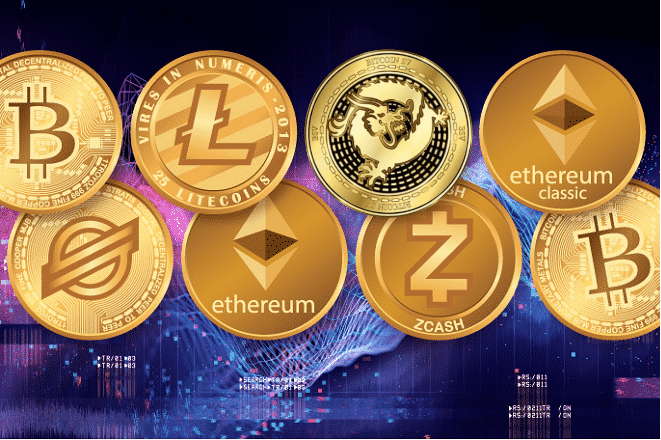
The Two Main Types of Exchanges
Not all trading sites work the same way. You will run into two main types when you start looking around.
First are centralized exchanges. These are run by private companies. They feel like regular banking apps. You make an account, log in with a password, and the company holds your money for you. They are easy to use, which makes them great for beginners. If you want to learn more about the basics, read our guide on crypto concepts for beginners.
Second are decentralized exchanges. No company runs these. Instead, computer code runs the market directly on the network. You connect your own digital wallet, trade straight from your own stash, and never give your cash to a business. They can be harder to use, but they give you total control over your funds.
Most people start with a centralized app because it feels familiar. You can reset your password if you forget it. On a decentralized site, if you lose your private security keys, nobody can help you get your money back.
How Do Exchanges Match Buyers and Sellers?
When you place an order, you tell the app what you want to buy and how much you want to pay. The app puts your order into an order book. This is just a big list of buy and sell offers from people all over the world.
Say Sarah wants to sell 1 Bitcoin for $60,000. Tom wants to buy 1 Bitcoin for $60,000. The exchange software sees both requests, matches them together, and swaps the cash and coin. Neither Sarah nor Tom ever need to talk to each other.
There are two main ways to place an order on these sites:
- Market Order: You buy or sell right away at the current price on the screen. It is fast, but the price can shift by a few cents before the deal finishes.
- Limit Order: You set an exact price. The app waits until the market hits your price before it completes the trade. If the price never hits your number, the trade does not happen.
Market orders are simple for quick buys. Limit orders are good if you want to set your own price and wait for the market to come to you.
How Crypto Exchanges Make Money
Exchanges are businesses, so they charge fees for their service. These small fees add up across millions of daily trades.
The main cost is the trading fee. Every time you buy or sell a coin, the app takes a small slice of the trade. This is often around 0.1% to 0.5% of your total order. If you buy $100 worth of coin, the app might keep 20 cents.
Some sites also charge fees when you move money in or out. Putting money in from your bank account might be free, but moving your coins off the app to your personal wallet often costs a small fee. Always check the fee page before you sign up for any service.
Why do fees matter? If you trade every day, small fees will slowly eat away at your money. For casual buyers who buy once a month, fees are usually very low.
How to Use an Exchange Step by Step
Starting out is simple, but you should take your time. Here is how the process usually looks for a new user.
First, you sign up with your email and set a strong password. You will need to verify your identity. Most real companies ask for a photo of your driver license or passport. They do this to stop financial crimes and follow local laws.
Next, you connect your bank account or debit card. Depositing cash from a bank transfer is usually cheap, while using a credit card can be very costly. Start with a small amount of money, like $20, while you learn the ropes.
Then, you make your first buy. You choose the coin you want, pick a market or limit order, and hit the buy button. The app updates your balance right away. To learn where to store your coins after buying, check our easy guide to wallet security.
The Risks of Leaving Money on an Exchange
It is convenient to keep your money on an exchange app, but it carries real risks. When you leave your coins on a central site, the company holds the private security keys to your money.
If the exchange gets hacked, bad actors might steal the coins stored on the server. If the company goes out of business, your funds could get locked up in court for years. History shows that even big trading sites can crash or fail.
To keep your money safe, consider moving your coins off the exchange to a personal crypto wallet. That way, you hold the security keys yourself. A good rule of thumb: keep on the exchange only what you plan to trade soon.
You can also read the history of early exchange events, like the famous Mt. Gox incident detailed on Wikipedia's Bitcoin page, to see why personal security matters so much.
How to Pick a Safe Platform
With hundreds of apps available today, picking the right one can feel hard. You do not need to overthink it, but you should check a few key details.
Look for sites with a long track record. Older platforms have survived market crashes and proven their security over time. Read reviews from real users, and check if the company keeps its user funds separate from its operational cash.
Make sure the app offers strong account protection. Turn on two-factor check-in right away. This asks for a special code from your phone every time you log in, so no one can guess your password and enter your account.
Take your time, start small, and never trade money you cannot afford to lose. Learning how the tools work first will make your experience much safer and smoother.
Comments
Post a Comment