
Stablecoins are digital coins built to keep a steady value, usually matching one US dollar. While regular crypto prices swing wildly every single hour, one stablecoin aims to stay worth one dollar all the time. That simple promise makes them one of the most useful tools in the whole crypto market today.
You can think of a stablecoin like a digital paper dollar that lives on your phone. Regular crypto can jump up or down ten percent while you sleep, which makes buying coffee or paying a friend very tricky. Stablecoins fix that problem by bringing steady cash values into the digital world, though they still carry risks you need to know about.
Why Regular Crypto Prices Bounce Around So Much
To see why stablecoins exist, look at how regular coins move. Bitcoin might cost $60,000 today, $65,000 tomorrow, and $55,000 next week. People buy and sell them mostly to make a profit, which makes the price jump like a bouncy ball. If you want to see how those price swings work, you can read our guide on What is Bitcoin in Simple Words: A Clear Guide for Beginners.
Imagine trying to buy a $5 sandwich with a coin that changes value every ten minutes. The shop owner does not know how much money they are actually getting. You do not know if you are paying too much. That wild price movement makes regular crypto hard to use for daily shopping or quick transfers.
Stablecoins step in to solve this exact issue. They take the tech behind cryptocurrency and attach it to traditional cash. That way, one coin equals one dollar, giving you a steady base inside a fast-moving market.
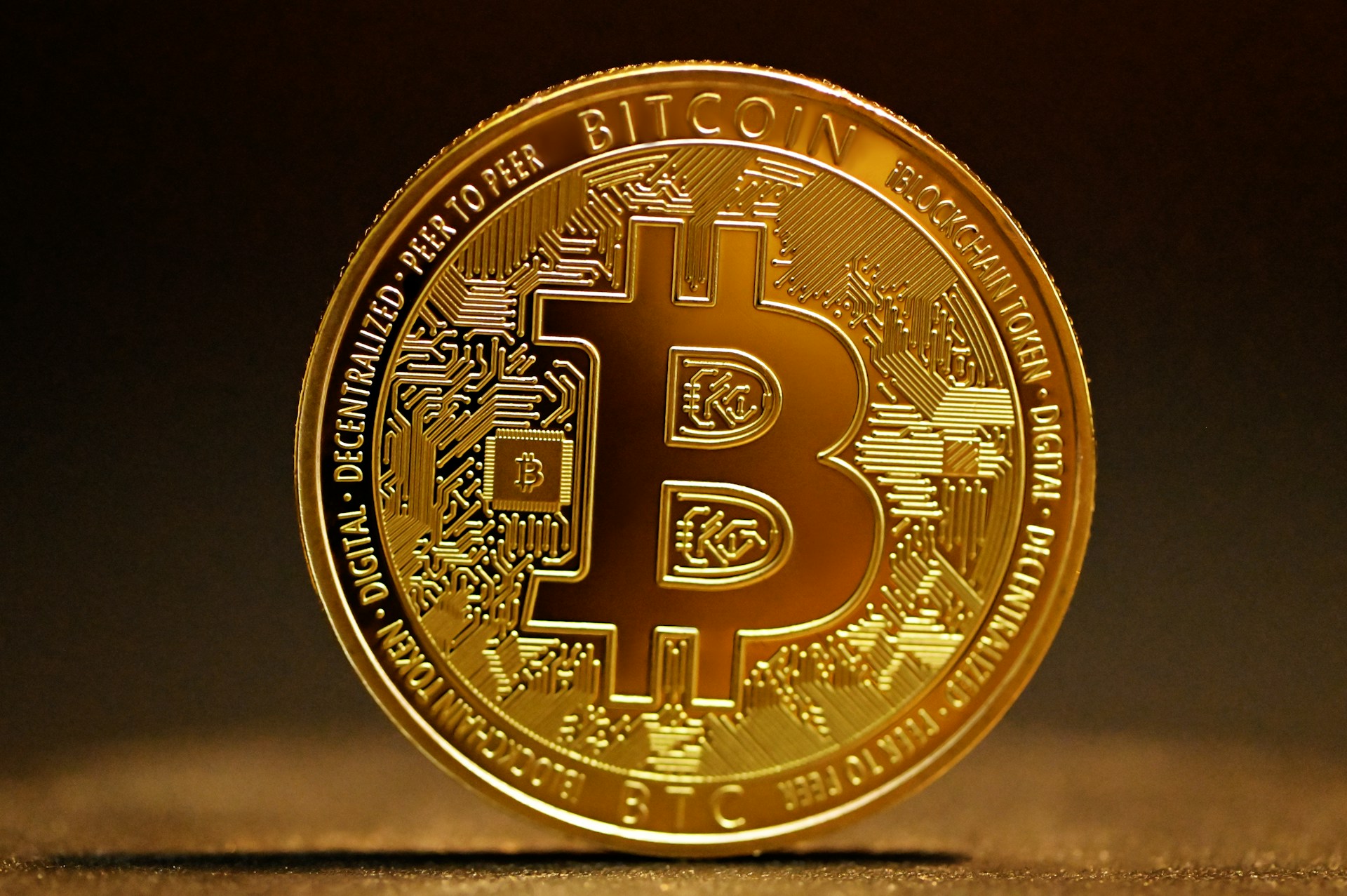
How a Stablecoin Holds Its One Dollar Price
How does a digital coin stay at one dollar without drifting off? Most stablecoins use real money sitting in a bank to back up every single coin they create. It is a simple match system that keeps the price tied down.
When a company issues one million dollars of stablecoins, they put one million real US dollars into a safe bank account. If you own one of those coins, you can hand it back to the company and get a real dollar back. Because anyone can swap them one for one, the market price stays right at one dollar.
Think of it like a coat check at a theater. You give the attendant your heavy winter coat, and they hand you a plastic ticket numbered 42. That little ticket is not a coat, but it is worth one coat because you can trade it back at any time. A fiat-backed stablecoin works the exact same way with your money.
Not all stablecoins use real dollars in a bank. Here are the three main types you will see:
- Fiat-backed coins: Supported by cash and safe government bonds held in banks. USDT and USDC are two big examples.
- Crypto-backed coins: Supported by other cryptocurrencies locked up in smart computer programs. DAI is a common example here.
- Algorithmic coins: Supported by code and computer rules that automatically expand or shrink the supply to control price.
Why Do People Use Stablecoins Every Day?
You might wonder why anyone wants a digital dollar instead of just using a regular bank app. The answer comes down to speed, lower costs, and global access. Bank transfers across borders can take days and cost heavy fees, while sending a digital coin takes seconds.
Say you want to send $100 to a family member in another country. A traditional bank transfer might charge you $25 and take until Thursday to arrive. Sending a stablecoin can cost under a dollar and finishes before you put your phone down. That speed makes a real difference for millions of people.
Crypto traders also use stablecoins as a safe parking spot for their money. If a trader thinks market prices are about to crash, they swap their volatile coins into stablecoins. They do not have to move their money all the way back to a bank account, which saves time and extra transfer fees. If you are learning how trade flows work across markets, check out our full crypto basics hub for more guides.
Store owners are starting to accept them too. They get the fast payment speed of digital cash without worrying that the payment will drop in value overnight. It gives small business owners more choices for taking payments from customers anywhere on Earth.
The Real Risks of Owning Stablecoins
Stablecoins sound safe because of their name, but they are not risk-free like money in an insured bank. Understanding these risks helps you protect your hard-earned cash.
The biggest risk is losing the one-dollar mark, which people call "de-pegging." If traders lose trust in the company behind the coin, the price can drop to 98 cents, 50 cents, or even zero. In May 2022, an algorithmic coin named TerraUSD lost its dollar match and completely collapsed in days, wiping out billions of dollars of user savings.
Another risk is company trust. You must trust that the company actually holds the bank dollars they promise to hold. Some companies hire independent audit teams every month to prove their bank balances are real, while others are less open about their money reserves.
Government rules are also changing fast. Authorities around the world are writing new laws for stablecoin issuers. If a government freezes a coin network or limits how a company operates, users could face delays when trying to move their funds.
How to Spot a Safer Stablecoin
If you want to use stablecoins, picking the right one matters a lot. Not all coins are built with the same level of safety and clear reporting.
First, check what backs the coin. Coins backed by cash and short-term government bonds are generally safer than coins backed by volatile crypto assets. Avoid experimental code-based coins if you cannot afford to lose your money.
Second, look for clear monthly reports. Honest companies post proof of their bank reserves online so anyone can read them. They hire big accounting firms to check their math and prove the dollars exist. If a company hides its reserve reports, stay away from their coins.
Third, look at market history. Coins that stayed near one dollar through big market crashes have proven their systems work under stress. New coins without a track record carry much higher risk for your wallet.
Getting Started Carefully
Using stablecoins can make moving digital money much easier once you understand how they function. They give you the speed of modern networks paired with the familiar value of regular dollars.
Start small while you are still learning the basics. Try moving a tiny amount first to see how transactions work on your phone app. Keep track of transfer fees, double-check your wallet addresses, and never store life savings in digital assets.
Which stablecoin features matter most to you, and how do you plan to use digital dollars in your own daily routine?
Comments
Post a Comment